The Association of Traditional Worshippers in Nigeria has called on the Nigerian Law School to extend equal religious accommodation to adherents of African Traditional Religion, insisting that constitutional protection must apply to all faiths without discrimination.
The Association of Traditional Worshippers in Nigeria has weighed into the controversy surrounding the enforcement of dress regulations at the Nigerian Law School, demanding equal recognition of the religious rights of adherents of African Traditional Religion.
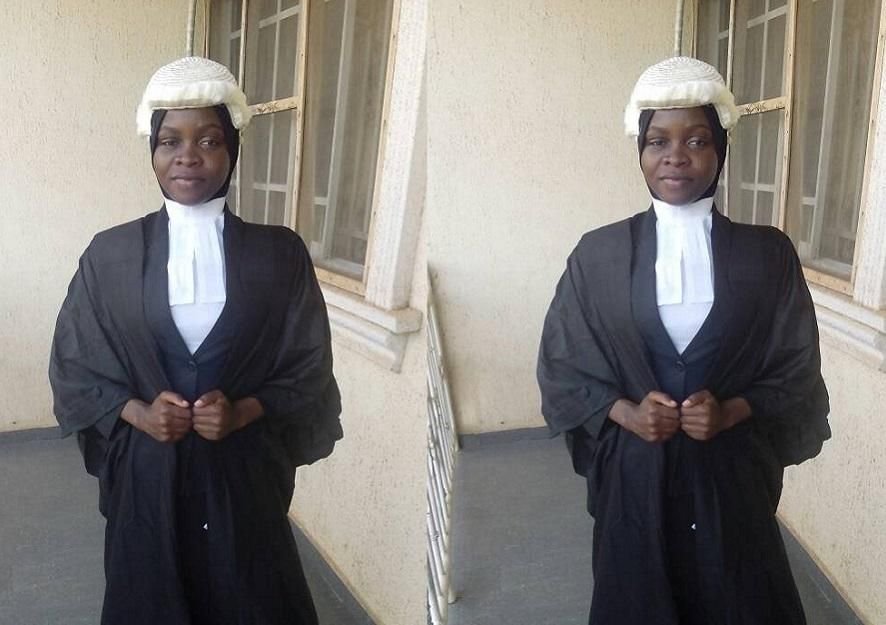
The association’s intervention follows reports of disagreements between the Law School authorities and some Muslim candidates over the wearing of hijabs during the ongoing 2026 Bar Final Examinations, as well as threats by a Muslim group to organise protests over the alleged restrictions.
In a statement issued on Monday, November 2, the association expressed support for the enforcement of established examination regulations, arguing that educational institutions must maintain clear rules and ensure that such regulations are applied consistently.
However, it maintained that any decision to accommodate religious dressing must not be limited to Christianity and Islam, stressing that practitioners of indigenous African religions are equally entitled to express their religious convictions without discrimination.
The association argued that allowing Muslim candidates to wear hijabs on religious grounds while denying adherents of traditional African religions similar consideration would amount to unequal treatment.
It stated that religious freedom must be recognised as a fundamental right available to every Nigerian, irrespective of religious affiliation or the origin of their beliefs.
“Our position, however, is founded on the inviolable principle of equality, religious freedom and non-discrimination. If Muslim students are permitted to wear hijabs during examinations on the basis of religious convictions, then students who practise traditional African religions must equally be permitted to manifest their religious identities and convictions without discrimination, marginalisation or institutional hostility,” the statement read.
The group also commended the Nigerian Law School authorities for their position on enforcing institutional regulations, warning that administrative decisions should not be dictated by threats, intimidation or pressure from religious organisations.
According to the association, the credibility of any institution depends largely on its ability to uphold established rules and apply them fairly, without favouring one group over another.
It further criticised what it described as selective demands for religious accommodation, insisting that the rights of traditional worshippers should not be overlooked in national conversations about religious freedom.
“Religious freedom cannot be a privilege reserved for Christianity and Islam while traditional worshippers are treated as second-class citizens in their own country,” it said.
Citing Section 38 of the 1999 Constitution of the Federal Republic of Nigeria, the association maintained that freedom of thought, conscience and religion extends to all religious beliefs, including indigenous African religious practices.
The constitutional provision guarantees individuals the freedom to hold, change, practise and manifest their religious beliefs through worship, teaching, practice and observance, subject to the provisions of the Constitution.
The association therefore urged the Nigerian Law School to adopt a consistent approach in implementing its dress regulations, arguing that any religious accommodation granted to students should be extended fairly to other recognised religious beliefs.
It presented two options to the institution: provide equitable accommodation for all religious groups or enforce its prescribed dress code uniformly without yielding to pressure or intimidation.
The group also appealed to the Muslim organisation involved in the controversy to exercise restraint and pursue dialogue through established administrative and legal channels rather than resorting to demonstrations.
Reaffirming its position, the association declared that its demand was based on equal rights, recognition and constitutional protection for all religious communities.
It maintained that adherents of African Traditional Religion are Nigerian citizens who deserve the same dignity and protection guaranteed to other citizens, regardless of their faith.
“Nigeria belongs to all of us, and no religion has a superior claim to citizenship, dignity or constitutional protection,” the statement added.
The latest intervention has introduced another dimension to the growing debate over religious expression, institutional dress regulations and the protection of fundamental rights in Nigeria.
The controversy has also drawn attention to the responsibility of public institutions to balance legitimate administrative and examination requirements with the constitutional rights of individuals.
As the debate continues, the Nigerian Law School faces the task of ensuring that its regulations are clearly communicated and applied consistently across examination centres, while avoiding any form of religious discrimination.
The position of the traditional worshippers’ association, meanwhile, underscores the need for a national conversation on religious equality that recognises Nigeria’s religious diversity, including its indigenous spiritual traditions.