


What to Expect from the Next World Cup
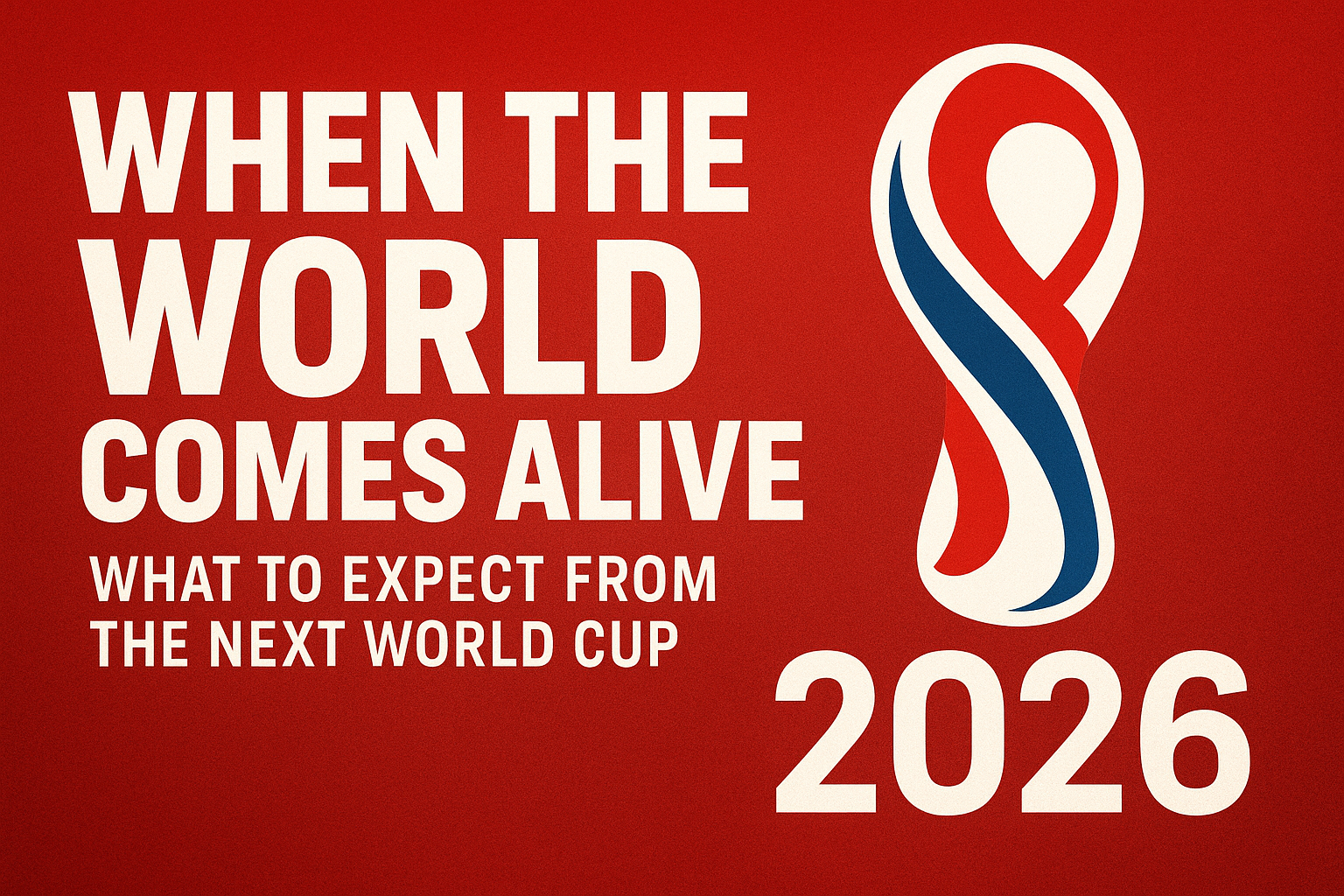
There is a growing electric buzz in stadiums, streets and living rooms across the globe , because the countdown to the 2026 FIFA World Cup has already begun. This edition will be unlike any other, not just in scale but in what it promises for underdogs, new fans and entire continents. The tournament will be hosted across three nations , United States, Canada and Mexico, marking the first time in history that the World Cup will be staged by three countries together.
For the first time, 48 national teams will take part, up from the long‑established 32. That expansion does more than increase the number of matches, it reshapes opportunity. Suddenly, nations once brushed aside have a shot. Young talents from lesser‑known footballing countries stand to shine. The underdog stories we crave may come in greater number, with fresh faces, unfamiliar flags, proud histories, and hungry ambitions vying for global attention.
With dozens more games, more teams, more stadiums across vast geographies, the drama will intensify. The expanded format means more matches in the group stages, and a deeper knockout phase. The sheer volume of games raises the stakes for every squad: consistency will matter, resilience will matter. The road to the final will be longer, and every match will carry new weight.
But the beauty of this edition lies not solely in quantity. Football, at its heart, is theatre and the 2026 World Cup promises stories that go beyond the pitch. For fans on the African continent, in Asia, Latin America, or small islands often overlooked, this tournament could bring representation, visibility, and pride. The chance for a nation to appear on the world stage, to compete among giants, to roar its anthem in an arena, that chance no longer belongs only to the traditional football powers.
What’s more, hosting across North America means exposure on a scale never seen before. Matches in iconic stadiums, world‑class infrastructure, global media coverage and the usual carnival of culture, fanfare, and global fans converging, all this provides a fertile ground for new legends to emerge, for young players to dream bigger, and for millions more to fall in love with the game.
As we move closer to June 2026, the excitement grows, not just because of what we know, but because of what remains possible. The underdog surprise, the debutant scorcher, the memorable upset, the breakout star. The world will watch, and if you love football, you’ll feel it in your bones: this next World Cup has the power to change the game.