



Tinubu’s Tax Reform: Lower Rates, Wider Net — What Nigerians Need to Know
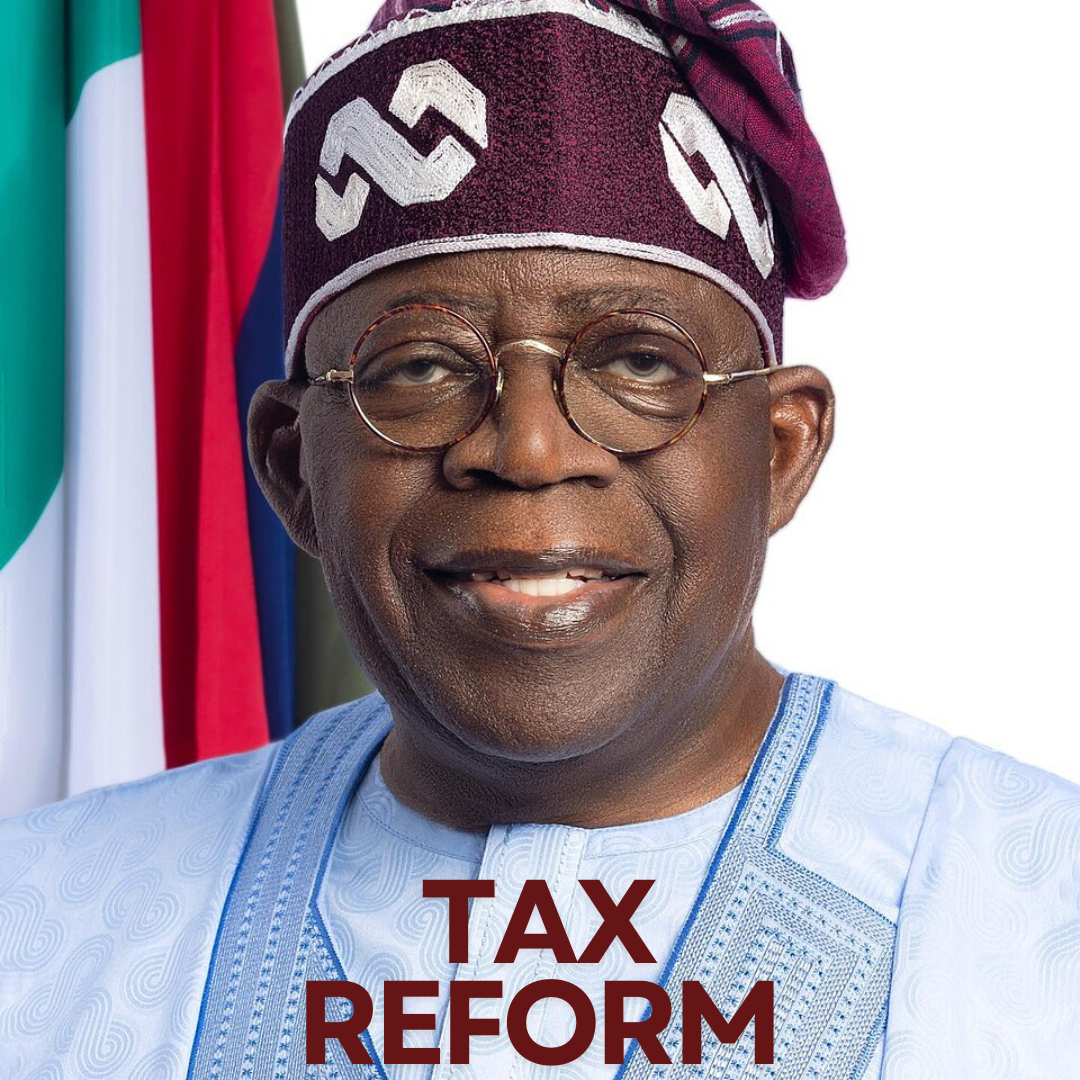
President Bola Ahmed Tinubu’s recent tax reforms have sparked intense public debate, with many Nigerians asking a simple but important question: Did the government reduce taxes, or is it trying to make everyone pay more? The answer lies somewhere in between.
At the heart of the reforms is a clear policy direction: reduce the tax burden for those already overtaxed while ensuring that everyone who is meant to pay tax actually does so. This approach represents a shift from Nigeria’s traditional tax structure, which placed heavy pressure on a small group of compliant taxpayers while leaving a large informal and high-income segment largely outside the tax net.
Lower Rates, Higher Reliefs
One thing worth noting when it comes to Tinubu’s tax reforms is the reduction of certain tax rates and increase in tax exemptions. There has been a cut in corporate tax rates for eligible companies, and small businesses earning lower revenues are now exempted from paying company income tax.
Regarding individuals, the new policy increases the income thresholds. Meaning, most mid- and low-income earners will not pay personal income tax. The initiative is expected to alleviate the burden already placed on workers from the effects of inflation, the removal of fuel subsidies, as well as the cost of living.

Broadening the Tax Base
Although it has lowered interest rates for many, it has also strengthened tax administration.Today, Nigeria has one of the lowest tax-to-GDP ratios on the entire African continent.This is because a substantial number of eligible tax-paying individuals and corporate taxpayer sources had not been contributing to it.The aim of this reform is to address this disparity by making more coordinated efforts for tax bodies and simplifying tax laws and tax enforcement measures. Meaning more people should pay lower taxes instead of fewer people paying high taxes.
Not “Tax Everyone,” But “Tax the Right People”
Contrary to some public fears, the reform does not mean that every Nigerian will suddenly start paying tax. Instead, it focuses on ensuring that:
Small and micro businesses are supported, not burdened.
Persons and organizations with the capacity are no longer excluded from the taxation regime.
This philosophy has been captured in the assertion that Tinubu “reduced the tax rate, but he wants to make sure everyone who is supposed to pay taxes actually pays.” This not only represents a shift towards a more rational taxation method, but a fair system as well.
What This Means for Nigerians
If effectively implemented, the reform could:
Reduce pressure on salary earners and compliant businesses.
Improve government revenue without having to increase rates.
Promote fairness by closing loopholes exploited by tax evaders.
Strengthen public trust if revenues are transparently used for development in the country
The Bigger Picture
Tinubu’s taxation reform is more about rebasing the system than it is about paying and collecting more taxes. His proposal intends to ensure that Nigeria is a country where responsibility in tax is balanced, relief is provided when needed, and taxes are charged for productivity, not survival.
As the new taxation laws come into effect, this January, 2026 Nigerians will watch closely to see whether the promise of reduced taxation rates and improved compliance is delivered,” said the human rights activist, speaking to the BBC.