
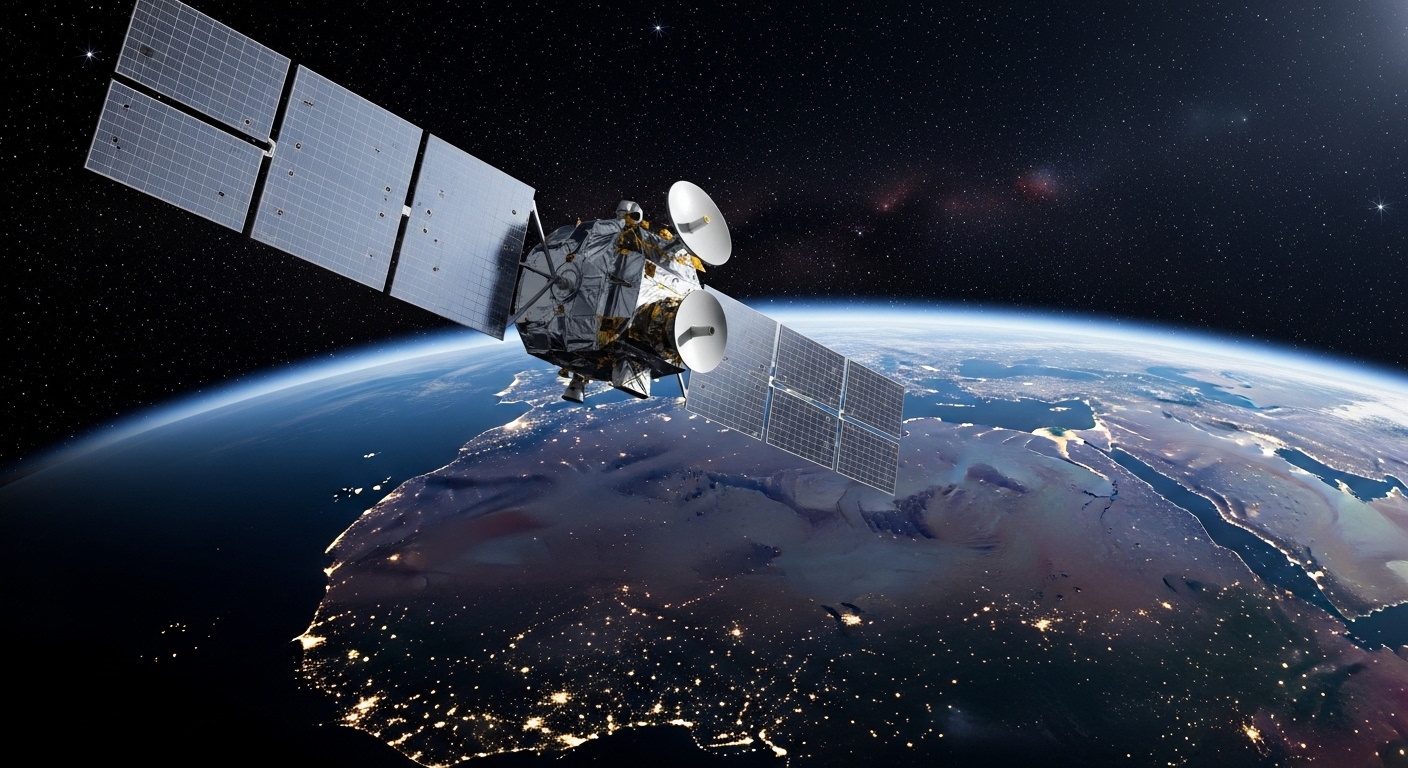
The Federal Government has approved the purchase of two additional communication satellites as part of an effort to expand broadband access and improve digital services across the country. This move is intended to support economic growth, close digital gaps, and extend reliable internet to underserved areas.
The decision was announced by Dr. Bosun Tijani, Nigeria’s Minister of Communications, Innovation and Digital Economy, following approval from the Federal Executive Council. According to officials, the new satellites will work alongside and eventually succeed NigComSat-1R, which has been kept in service beyond its original lifespan and is now expected to operate until at least 2028.
Nigeria remains one of the few West African countries with operational communication satellites, and the fresh procurement is aimed at strengthening the nation’s digital infrastructure. The government says the satellites will help bridge connectivity gaps in rural and remote regions, improve high-speed internet services, enhance broadcasting capacity, support secure communications for government agencies, and ensure resilience for critical infrastructure.
Tijani confirmed the president’s approval and noted that the satellites will offer high throughput capacity, forming a key part of a broader digital transformation agenda. This agenda also includes plans to roll out up to 90,000 km of fibre-optic cables and erect about 3,700 new telecom towers in communities that currently lack adequate service. Authorities expect these initiatives to bring dependable internet access to around 20 million more Nigerians, with tangible improvements beginning in 2027.
The schedule outlined by government officials places the start of the national fibre rollout in mid-to-late 2026, with the satellites expected to become operational the following year. By boosting connectivity, the project aims to unlock social and economic opportunities, particularly for households, businesses, and public institutions.
According to the government, the investment aligns with President Bola Tinubu’s vision of expanding Nigeria’s economy toward a $1 trillion target and establishing the country as a leader in digital and space technology in Africa. Beyond internet access, officials believe the satellites will spur job creation, increase productivity, and make communication infrastructure more resilient.
Details about the satellites’ manufacturers, launch partners, and precise timelines have not yet been finalised, as procurement processes are still underway. The government said these aspects will be revealed once contracts are awarded and technical arrangements are confirmed.
The initiative builds on earlier plans by Nigerian Communications Satellite Limited (NigComSat) to adopt modern, high-performance satellite systems capable of supporting broadband, broadcasting, and secure communications on a wider scale.


I was skeptical at first but decided to give it a shot and I am glad I did. The registration takes less than a minute and the welcome package actually matches the description. Navigating through different games is intuitive and I never felt lost. A solid choice for casual players peboomerage
I have been looking for a reliable gaming platform and this one really delivers. The promotions are fair and withdrawals go through without any hassle. Really appreciate how they keep the community engaged. You should give it a try mxmd777
Playing here has been such a refreshing change from the usual sites I try. The interface feels super intuitive and withdrawals are handled with surprising speed. I love how the community vibe makes me feel like I am part of something special. Give this a spin if you want a top notch gaming atmosphere: brbetnova
[6081]ck33 Official Login | বিকাশ দিয়ে খেলুন অনলাইন ক্যাসিনো বোনাস,ck33 অ্যাপ ডাউনলোড করে আজই শুরু করুন। বিকাশ দিয়ে সহজে গেম খেলা এবং স্লট গেম খেলার নিয়ম জানুন। আকর্ষণীয় বোনাস পেতে এখনই জয়েন করুন। visit: ck33
I was skeptical at first but after a few wins I am totally convinced. The graphics are top notch. Visit impor88slot for the real deal.
I’ve been using this app for a few weeks now and the interface is super smooth. Definitely one of the best experiences I’ve had lately. Check out x777eeapp
The app version is so much better than the browser. It’s snappy and works perfectly on my phone. You guys should definitely download l444apk.
Finally found a login link that actually works without any glitches. The experience here is top notch. Just check out ph1xbetlogin for the best action.
[1177]ArenaPlus Login PH | Legit Slots at Live Casino via GCash,Gamitin ang arenaplus login ph para sa legit online slots gcash. I-install na ang arenaplus download APK at simulan ang iyong laro sa live casino. visit: arenaplus
I’ve been trying a few different sites lately and this one really stands out. The interface is smooth and the payouts are quick. Definitely recommend checking out affunbet for a great experience.
I am really impressed with the bonus offers they have for new players. It is a great way to start winning at winpluscasino
The bonuses they offer for new members are actually legit. Had a great run last weekend and the customer support was super helpful. Check out vnzi88 for some quality action.